
Understanding the Environment
The design of a casino goes far beyond mere aesthetics; it encompasses a carefully crafted environment intended to evoke specific emotions and behaviors in visitors. By exploring concepts from environmental psychology, designers can manipulate elements such as lighting, color, and spatial arrangement to create an immersive experience. For instance, soft lighting is known to encourage relaxation and may lead to longer stays, while vibrant colors are used to stimulate excitement and anticipation. This complex interplay between environment and human feelings significantly influences how players engage with the space, especially in locations that offer online casino fast withdrawal options that enhance the thrill of gaming.
Moreover, the layout of a casino is reminiscent of a maze, designed to disorient and prolong the patrons’ visit. The strategic placement of gaming machines and tables encourages movement, often leading players to discover new areas and forms of entertainment. This exploration reduces the likelihood of boredom, keeping individuals within the space longer than initially intended. Such psychological insights help create an engaging atmosphere that enhances the chances of sustained gambling activity.
Additionally, the absence of windows and clocks is a deliberate choice to alter a player’s perception of time. With no cues to guide them on the passage of the day, patrons often lose track of time, resulting in prolonged periods of engagement. This technique plays on basic psychological principles whereby the brain’s focus shifts towards the immediate activities rather than the external world. As a result, patrons may find themselves immersed in the casino environment, enhancing their likelihood of spending more time and money.
The Role of Sound and Music
Sound design in casinos is a crucial element that influences patron behavior and emotional response. The use of upbeat, fast-paced music can heighten feelings of excitement and urgency, creating an atmosphere conducive to impulsive decisions, such as engaging in high-stakes betting. Soundscapes are tailored to amplify the highs and lows of gambling experiences, which can lead to an emotional rollercoaster for players. This relationship between sound and experience is carefully calculated to keep players mentally stimulated and engaged.
Moreover, the sounds of slot machines—tingling chimes, celebratory bells, and rhythmic beeping—are designed to elicit feelings of reward and accomplishment. Casinos capitalize on these auditory cues to reinforce positive associations with winning, regardless of the actual outcome. The psychological phenomenon known as “intermittent reinforcement” explains how the unpredictability of wins can create addictive behaviors, prompting players to continue trying their luck in hopes of hearing those enticing sounds again.

The auditory environment also includes the subtle background noise of chatter and laughter. This creates a social atmosphere that can encourage individuals to join in, fostering a sense of community. People are more likely to remain engaged if they feel connected to the crowd around them. This social influence not only enhances the gambling experience but also cultivates loyalty to the casino brand itself, as players begin to associate their entertainment experience with camaraderie and enjoyment.
Color Psychology in Casino Design
Color plays an essential role in influencing mood and behavior, and casino designers are well aware of this fact. Warm colors like red and orange are often utilized to evoke feelings of excitement and energy, encouraging visitors to engage with the gaming options available. Red, in particular, is known to stimulate appetite, which is why many casinos incorporate this shade in their restaurants and lounge areas. This clever use of color can lead to increased spending not just at gaming tables but also in dining and bar areas.
On the other hand, cooler colors such as blue and green tend to evoke calmness and relaxation. These colors are often found in lounge areas or quieter sections of the casino, providing a contrast to the high-energy gaming zones. This strategic use of color zones allows patrons to find a balance between excitement and relaxation, enhancing their overall experience. Different areas of the casino serve varied emotional needs, catering to a wide range of preferences amidst the diverse clientele.
Furthermore, the psychology of color extends to branding and marketing within the casino space. Designers often align color schemes with brand identity, ensuring that the visual environment resonates with the target audience. By creating a cohesive and immersive experience, casinos can strengthen brand loyalty and enhance customer retention. The careful interplay of color within the design framework showcases how psychological principles are applied to foster a deeper emotional connection with patrons.
Spatial Arrangement and Flow
The spatial arrangement within a casino is meticulously planned to optimize the flow of foot traffic and encourage exploration. Designers use intuitive pathways to guide patrons from one gaming area to another, creating a journey that feels natural while subtly encouraging additional play. By positioning high-stakes tables at the center, for example, casinos create focal points that attract attention and entice players to join in the action. This design strategy enhances engagement and maximizes the potential for increased spending.
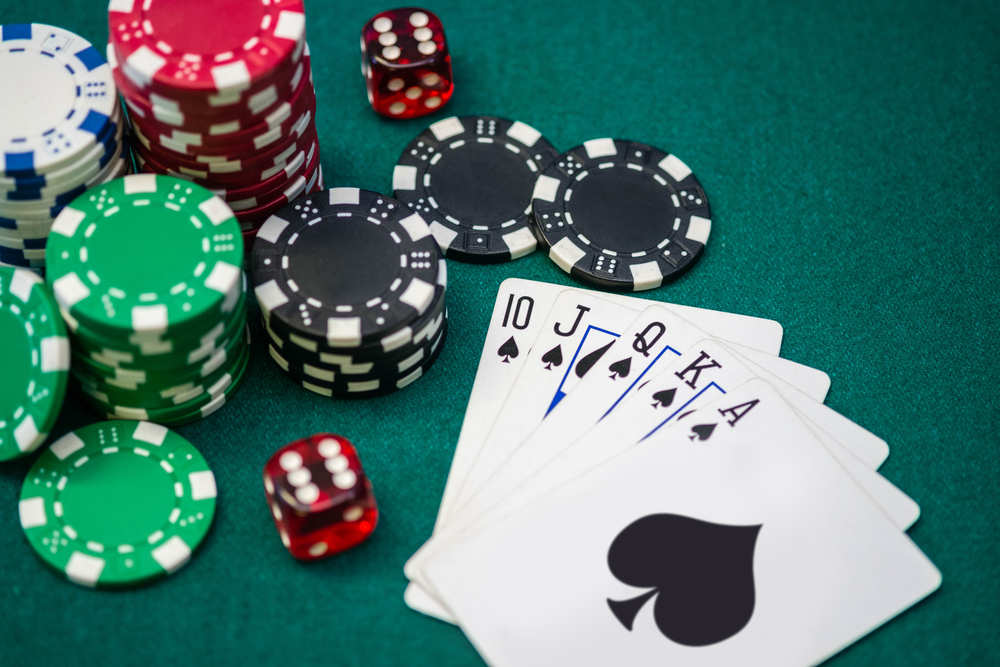
Moreover, open layouts with strategically placed barriers allow for ease of movement while still creating a sense of privacy. This balance between openness and seclusion is appealing to players who wish to engage with games while maintaining a degree of comfort. The psychological principle behind this design is that it caters to the desire for personal space while also promoting social interaction, thus enhancing the overall gaming experience.
Also, the flow of space is designed with the intent to provide varied experiences within the casino. Zones dedicated to different types of gambling, relaxation, dining, and entertainment ensure that visitors can switch between activities seamlessly. This well-thought-out structure not only keeps patrons engaged but also reduces the chances of fatigue, encouraging them to stay longer and explore all that the casino has to offer. Ultimately, the spatial arrangement is a testament to how design shapes behavior and influences the habits of players within these vibrant environments.
Website and Online Influence
As the gaming industry evolves, understanding the psychology behind casino design extends beyond physical spaces to the online world. Virtual casinos replicate many elements of traditional gaming environments, from sound effects to color schemes, ensuring that players feel a familiar sense of engagement. This digital adaptation highlights how psychological principles remain relevant in enticing players, even in a virtual format. Designers create websites that mimic the exhilarating atmosphere of land-based casinos to attract and retain online gamers.
The interplay of design in online platforms also hinges on layout and navigation. Just as physical casinos guide visitors through their spaces, online casinos are designed with clear pathways to assist users in finding games, promotions, and support. This ease of navigation helps create a positive user experience, minimizing frustration and enhancing engagement. By paying close attention to user experience design, online platforms facilitate extended play and increased monetization.
Furthermore, the use of personalized marketing strategies, such as customized bonuses and promotions, reflects an understanding of psychological triggers. Tailoring experiences to individual preferences and behaviors cultivates a sense of loyalty and investment among online players. This adaptation of traditional casino design principles to the digital landscape showcases how the psychology of design proves crucial to maintaining engagement and ensuring continued patronage in an increasingly competitive online market.